
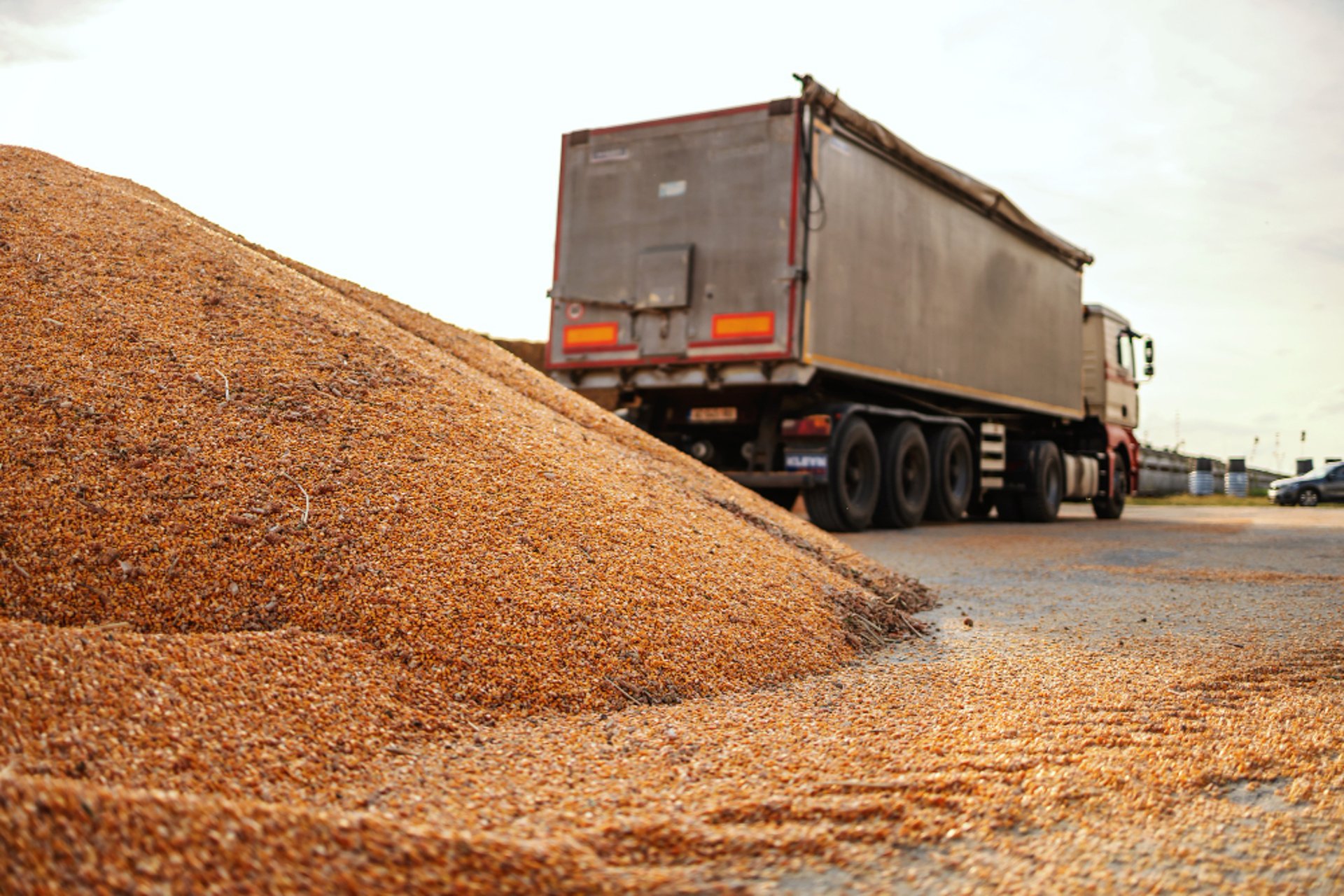
Grain Markets in a Multi-Polar World Economy
Nowhere to Hide as Conflict's impact spreads to grains and biofuel markets
With the outbreak of warfare over Iran at the beginning of March, prices of Soybean Oil in particular but nearly all the grain complex and commodities in general surged when markets re-opened after the first weekend's hostilities. Bean oil rose by more then 10% in a week before settling back, but at much higher levels than in February. Wheat prices also rose dramatically during the early days of fighting but all grain markets with an ocean freight connection to the Middle East appreciated amid uncertainty over how and when the conflict would be resolved and how long term oil prices could be affected.
In domestic US developments, the USDA had already raised projections of wheat exports which helped spark a long-awaited winter rally, bolstered by increasingly severe weather conditions in the US winter wheat belt. There had been mounting speculation that grains and biofuels are due to 'catch up' with other commodity markets and represent good value for investors unable to deal with the volatility in precious metals and energy. Again, pronouncements from the White House on increased import commitments of US soybeans by China added to market firmness, but once the fighting began in Iran these factors became secondary influences compared to the evolution of the conflict.
The markets will increasingly focus on new crop developments and weather in particular. Wheat will soon be entering its weather-sensitive period. U.S. wheat remains in demand and export sales are likely to be solid. Additionally, most U.S. imports come from Canada, where the U.S. has just placed import tariffs, so imports from the US' northern neighbor will likely be subdued.
When winter wheat crops around the world come out of dormancy weather becomes increasingly important. Early crop ratings will be all important placing even more importance on spring conditions. Globally, with favourable developments in ongoing peace discussions, renewed supplies from Ukraine could ease global pressure on demand but the Black Sea export situation remains uncertain at best.
In Ukraine, if any peace deal is reached it could still take at least one if not two crop cycles to restore production. Also, and more impactful, is the strong possibility that the Ruble could appreciate if the conflict ends as sanctions are lifted and specifically if the U.S. allows Russian traders back into the SWIFT payments system. If this happens, paticipants can prepare for Russian wheat prices to become more expensive, not cheaper, allowing the U.S. to continue to compete in the export market but raising export prices to US farmer.


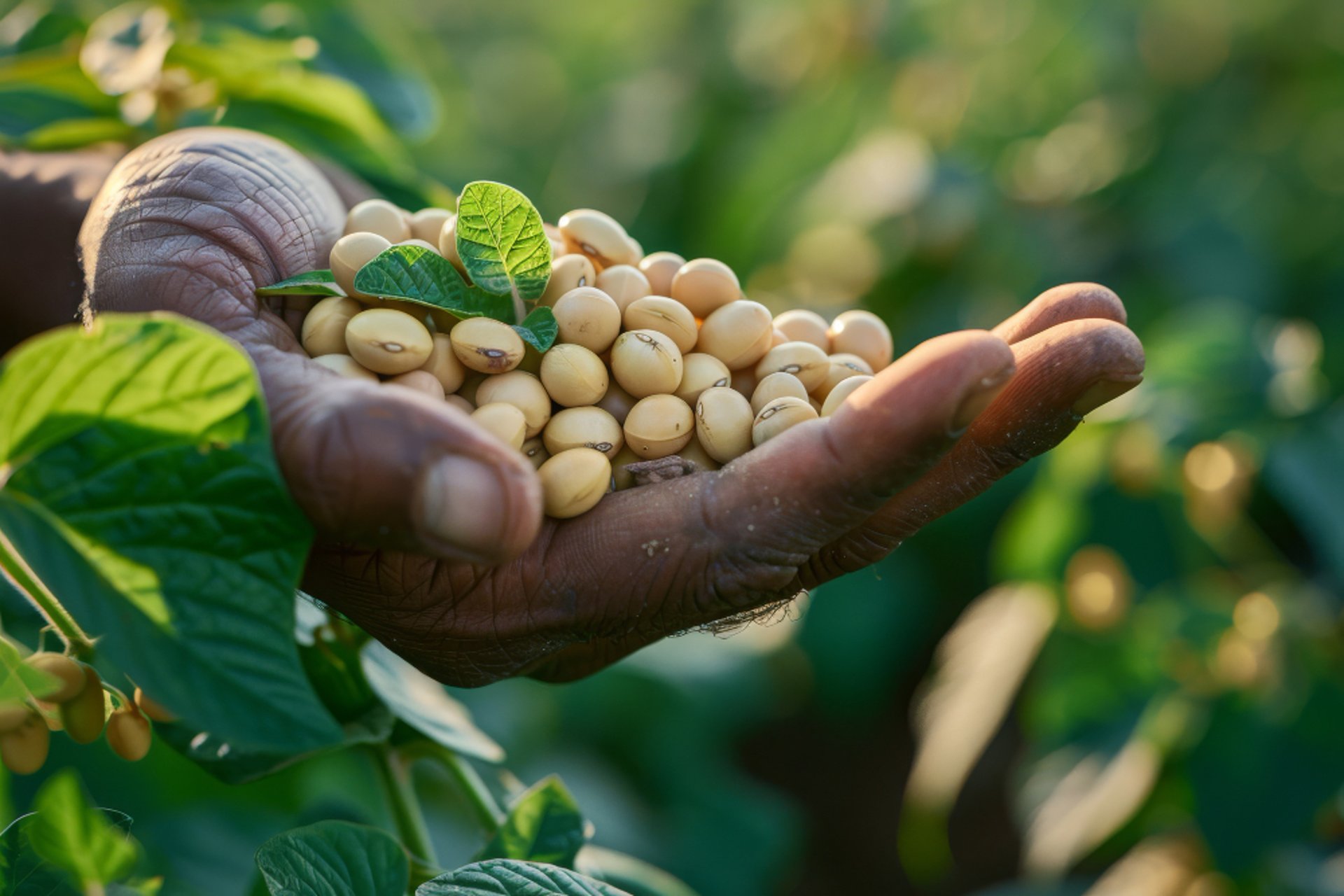
Vegetable Oils Developments
Beyond the impact of the Iran war, SOYBEAN OIL prices in the US have also rallied in anticipation of higher demand and a bullish renewal of the US Biofuels RVO (Renewable Volume Obligations) mandate, now due to be confirmed in March 2026. The announcement has been delayed by lengthy consultations and policy disputes between oil refiners and biofuel producers over import credits, small refinery exemptions (SREs), and other issues.
In the US, all the main components have played their part in the action: the price of diesel, the price of carbon credits and the price of RINs (renewable identification numbers) which in the US directly affect the margins of biofuel producers.
The uncertainty surrounding U.S. policy this year has caused drastic swings in carbon credits and RINs but the bias of trading action has favoured a White House decision aimed at supporting the farm community.
However the Trump administration's future stance on the Renewable Fuel Standard (RFS) and related biofuel policies still leaves room for significant uncertainty in the market. This includes the decision regarding (SREs), which could reduce the demand for biofuels such as biodiesel that utilize soybean oil as a feedstock. Such exemptions, if broadly applied, may lead to decreased soybean oil demand and exert downward pressure on prices.
Whatever happens with the US mandate, U.S. exports could still recover enough to offset renewed weakness in biofuel demand. Although highly unpredictable, the White House may still choose to boost the renewable diesel industry as both big agriculture and big oil have been supportive in recent years. A president whose recent pronouncements in trade and finance have sparked major volatility elsewhere may soon turn his attention to agriculture and energy with unpredictable results.

CASE STUDY: MOZAMBIQUE
Biofuels in the Global South
In contrast to the industrialized economies, as a large agricultural country, one of the poorest in the world and with an extensive coastline, Mozambique's focus is less on decarbonization and more on expanding access to electricity, sustainable land use, and bolstering coastal resiliance against extreme weather events. Strata Transitions visited the country in February 2026 to assess the progress being made and to talk to key actors in industry and agriculture.
Given the country's priorities, the large-scale establishment of solar energy facilities, both to feed the national grid as well as through mini-grids form an important part of the national strategy.
In the battle against coastal erosion, extensive planting of mangroves along degraded coastal sections has been undertaken as well as replanting of trees cut down or destroyed by extreme weather events in recent years.